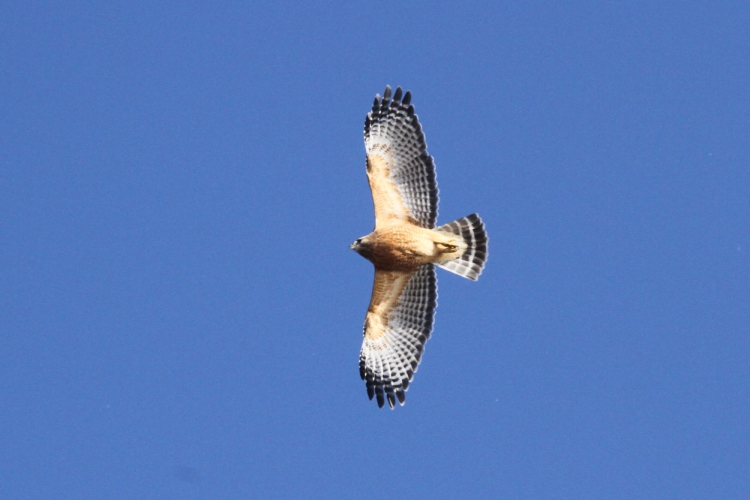
September 5, 2026 - October 31, 2026
LPBO Fall Birding Tour and Workshop
Ontario|Birds Canada, Port Rowan, ON
Get ready to spot some cool fall birds and learn all about their habits in this fun, laid-back workshop!
The joy of birds starts with curiosity. A trilling song, a new visitor in your yard, or a moment that makes you stop and look up can be the beginning of a deeper connection with nature. If you already notice and appreciate birds in this way, welcome to the adventure of birding—you belong here!
There’s no right way to start birding, but there are a few things that may help you feel more confident throughout the journey.
Here are our top 6 ways to build confidence in birding.
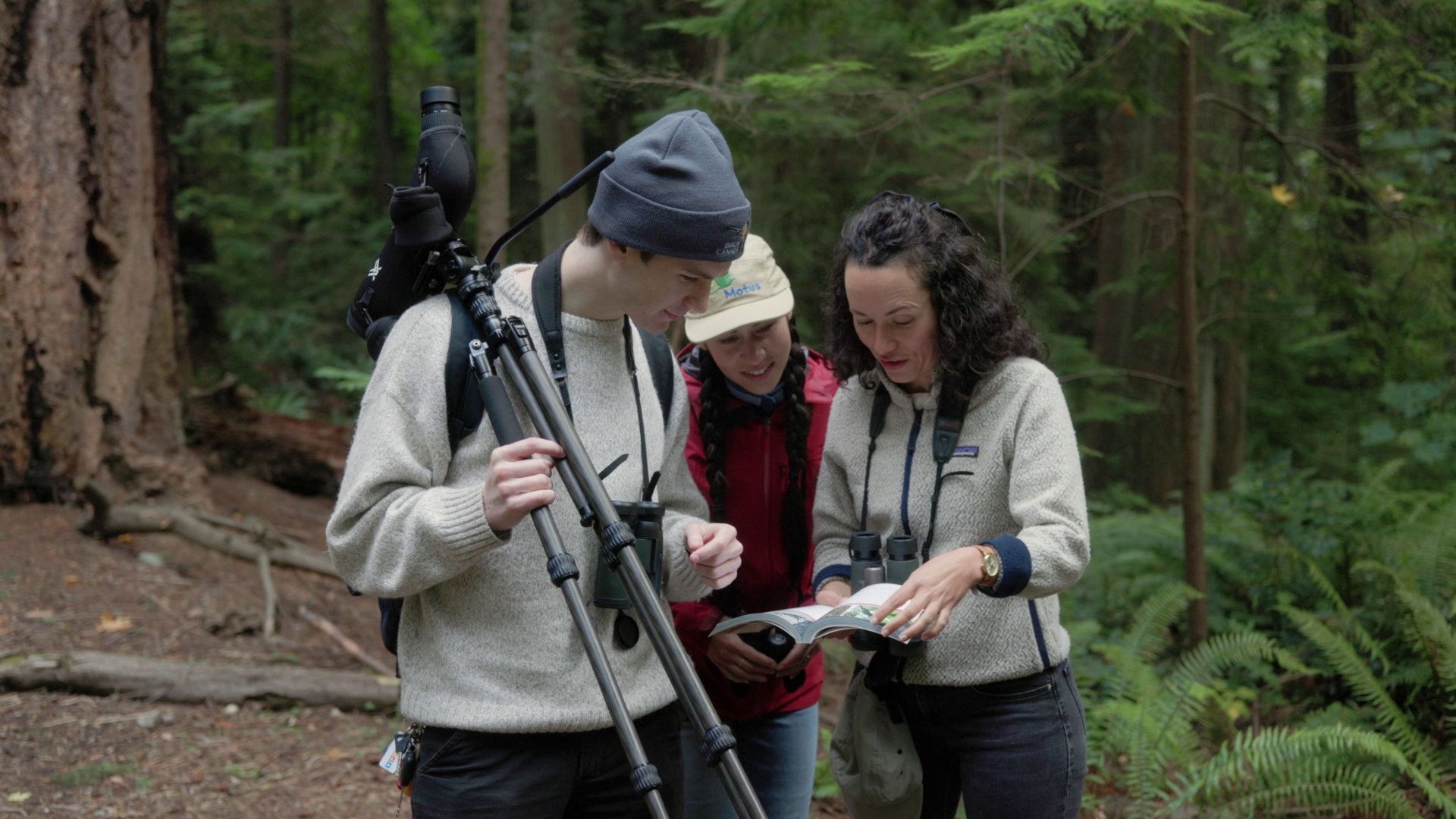
Photo: Kris Cu
Photo: Kris Cu
Birds are all around us, adding colour, movement, and song to our daily lives. The more you practice looking and listening for them, the more you'll discover, revealing fascinating species that may have been there all along.
If you're using binoculars, take a moment to adjust them, first by setting the barrels to the width of your eyes. If you wear glasses, twist the eyecups down to get a wider view. Practice focusing on a nearby object or bird – adjust the focus wheel to sharpen the image. You can borrow binoculars from some libraries or buy new ones.
For starting out, we recommend binoculars that are 8x40 or 7x30.

Photo: Kris Cu
Before buying a field guide, test them out at your local library to see which one you like best – start with a guide that is tailored to your region. Several field guides are also available as apps.
We recommend starting with Merlin Bird ID and eBird: these two free apps can help you identify birds by sight and sound, while keeping track of what you find.
This gets easier with practice. When you encounter a bird, take note of its size, shape, colour, behaviour, sound, and habitat. Try to focus on key features or field marks, like the size and shape of its bill, or patterns on the wing. Observe the bird as much as you can before it flies away, and then try to identify the bird in your chosen field guide. The habitat, behaviour, and time of year will help to narrow down the species.
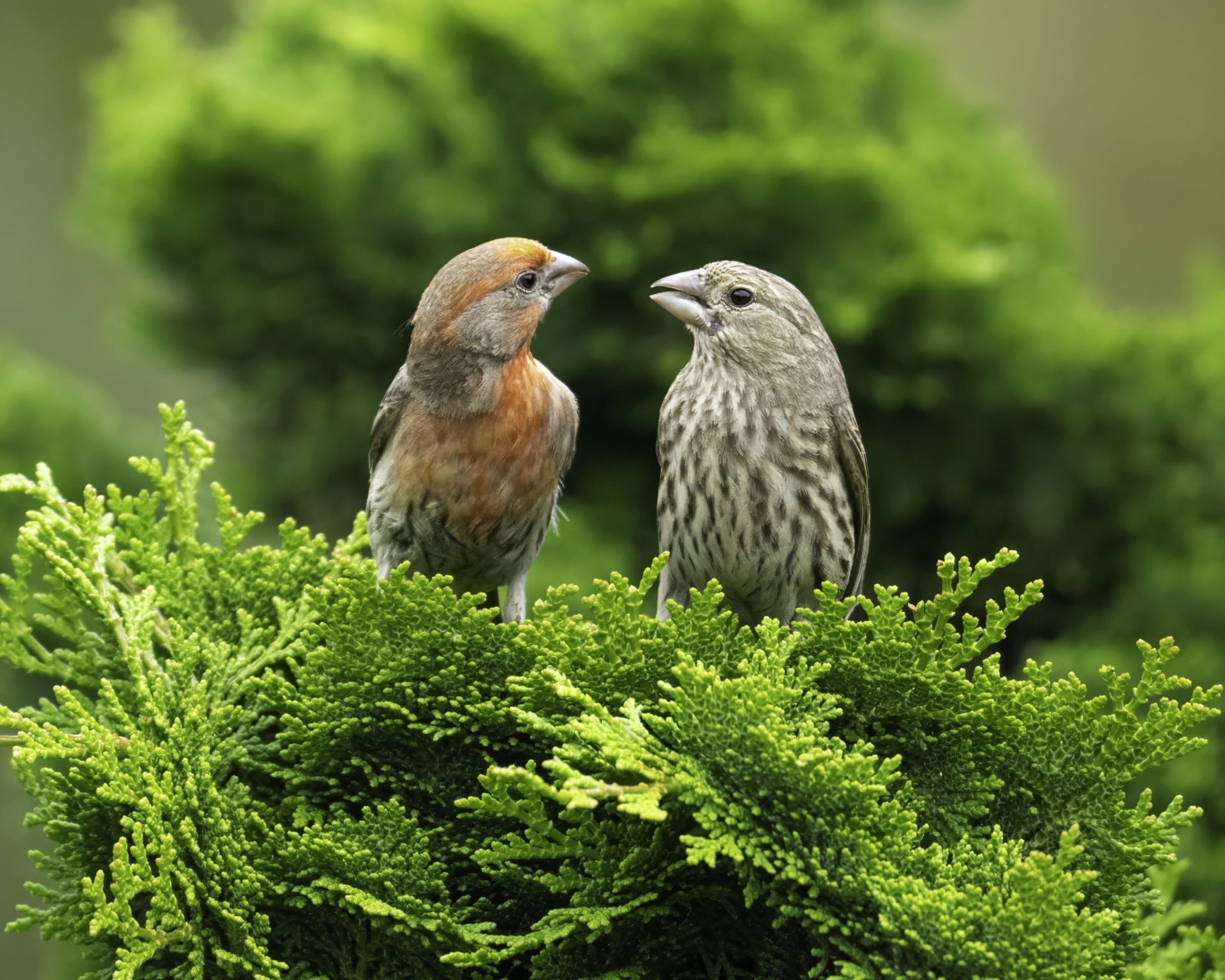
©House FinchesPhoto: Susi Grathwol
Birds are everywhere, but some spots are extra special. You can find birding hotspots by exploring eBird Canada, or by chatting with other birders or clubs. Usually, locations with diverse habitats will have the most types of birds—try seeking a natural area or park with some water, and a mix of trees and other vegetation. Remember to be patient and let the birds come to you.
Birding is a hobby with constant growth—you’ll get better at finding birds, and continually notice new and wonderful traits that make them unique.
Joining other people can be a great way to learn more about birds, find the best places for birding, and make new connections and friendships. Birding is more popular now than ever – connect with local groups, naturalist clubs, or community events. You can also use Merlin or eBird Canada to share your sightings and connect with the birding community online.
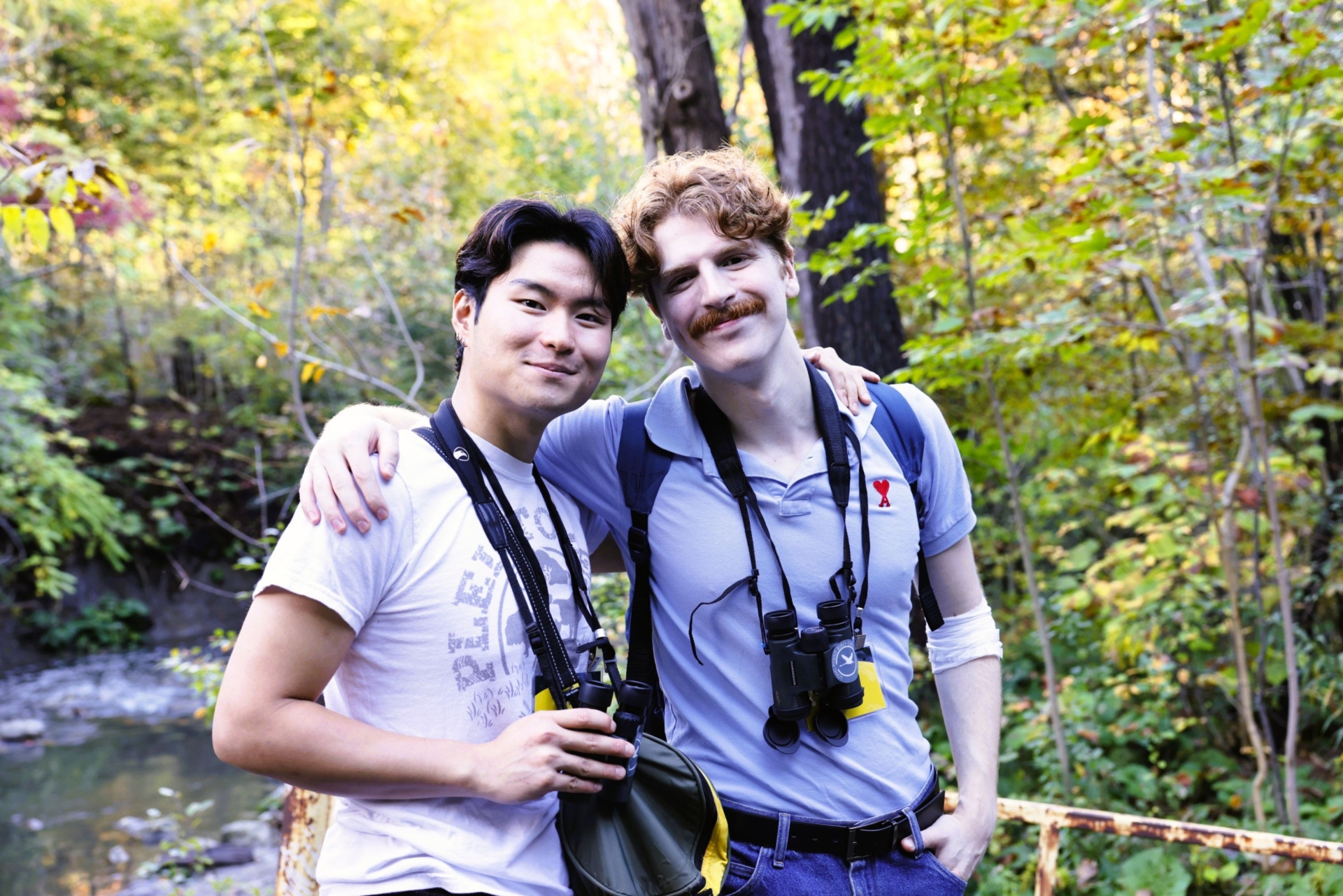
Photo: Danielle Fried Photography
For more in-depth learning take Birding for Beginners, a free course on Birds Canada Learn. You’ll build skills in how to use binoculars and field guides, learn the top tricks for identifying birds, and more ways to find and enjoy birds wherever you are.
Get ready to spot some cool fall birds and learn all about their habits in this fun, laid-back workshop!
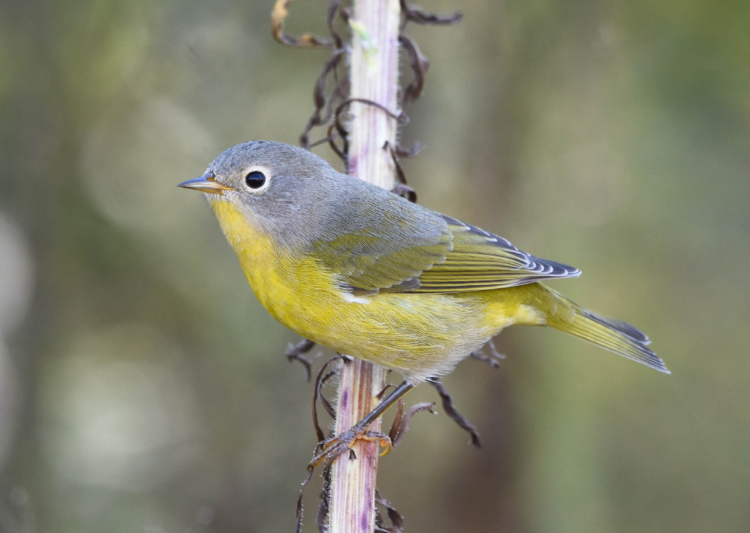
Enjoy fall migrations at one of the best birding spots in the world!